Sugar: poison to the microbiome
How do sugars and artificial sweeteners poison the microbiome?
Artificial sweeteners are on the rise due to their low-calorie content and ability to sweeten foods and beverages without raising blood-sugar levels. However, these sugar substitutes such as aspartame, sucralose, and stevia have many adverse effects on the body. According to a scientific review by Francisco Javier Ruiz-Ojeda et al, artificial sweeteners have been shown to disrupt the diversity and composition of the gut microbiome. This alteration leads to inflammation, glucose intolerance, and reduced short-chain fatty acid production. Madeleine Haase also noted that artificial sweeteners may increase intestinal permeability, a condition known as “leaky gut.” This allows bacteria to cross the intestinal barrier, which further triggers inflammation and immune responses. Haase also highlighted that some artificial sweeteners may cause otherwise harmless bacteria in the gut to form masses and invade cells in the intestinal lining, causing disease.
So, is it best to stick to simple sugars, when it comes to microbiome health? Unfortunately, the high consumption of glucose, sucrose and fructose have also been linked to changes in the gut microbiome. Gastroenterologist Dr. Suhirdan Vivekanandarajah explained in his blog post that table sugar has been found to inhibit the production of Roc, which is a protein required for the colonization of Bacteroides thetaiotaomicron. This bacteria is essential as it aids the body in processing vegetables and other healthy foods. Also, with a sugary diet, some sugars end up in the gut microbiome, providing excess energy for bacteria to multiply. This unwarranted growth may imbalance the composition of the microbiome. Like artificial sweeteners, unrefined sugar, especially high-fructose corn syrup, also leads to inflammation and decreased ability to regulate blood sugar due to decreased diversity in the gut microbiome.
How does a high-sugar diet increase Alzheimer’s risk?
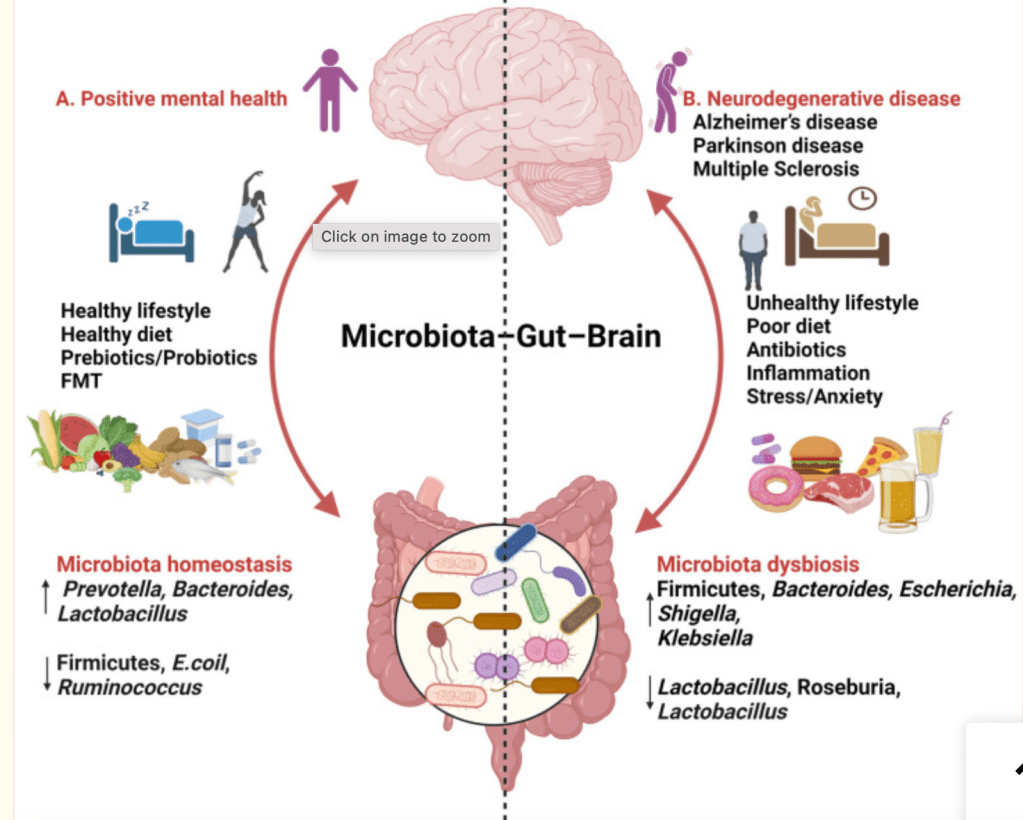
These effects of sugar on the microbiome have been directly linked to a number of diseases, one of which hits a little too close to home for me, personally. As defined by the Alzheimer’s Association, Alzheimer’s is a progressive type of dementia that decreases memory and cognition. With no cure, prevention of Alzheimer’s is key, especially for those of you who, like me, have a family history of the disease. One key preventative measure is nutrition to help maintain a healthy gut microbiome. Leaky gut syndrome, as I mentioned earlier, allows the release of microbes into the bloodstream. In her review on the role of diet and the gut microbiota in Alzheimer’s disease, Sithara Dissanayaka noted that in combination with blood-brain barrier leakage, this may trigger neuroinflammation that contributes to Alzheimer’s. In fact, the systemic inflammation caused by a high-sugar diet and altered gut microbiome is a hallmark of Alzheimer’s.
Studies including the one by Sithara Dissanayaka, have linked high-sugar intake, microbiome dysbiosis, and elevated levels of amyloid-β, a protein associated with Alzheimers. Specifically, an abundance of Lactobacillus, a beneficial type of bacteria in the gut, was associated with lower levels of amyloid-β. Dissanayaka also highlighted a disrupted gut-brain axis as another contributor to Alzheimer’s. As discussed in last week’s post, the microbiome plays a key role in this communication system between the brain and the digestive system. Therefore, sugar-induced changes to the gut microbiome composition can alter this communication, further contributing to Alzheimer’s.
What does a sugary diet look like?
I don’t know about you, but this discussion of sugars and the microbiome will definitely have me rethinking my added sugar consumption! In doing so, it is helpful to have an understanding of how much sugar is actually in some of my favorites. The amount of sugar in foods is always listed on the nutrition label in grams. In order to conceptualize this, it’s helpful to understand that 4 grams of sugar is equivalent to 1 teaspoon. Some foods are obviously high in sugar, such as a small Chick-Fil-A vanilla milkshake with a whopping 21 teaspoons of sugar. However, there are many foods with equally shocking amounts of added sugar that you would never expect.
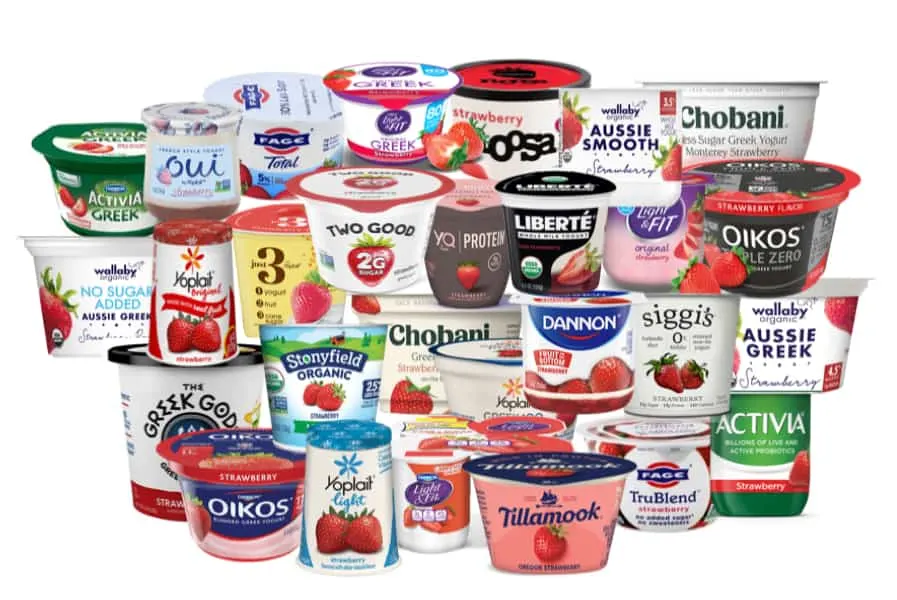
For example, Chobani Greek yogurt, which has always been a breakfast staple that I have considered healthy. The Chobani Flip Almond Coco Loco has a 18g of sugar, 14 of which are added sugars. The second ingredient is cane sugar and honey is not far down on the list. Yogurt is advertised as being a probiotic rich food that is great for gut health, however 4.5 teaspoons of sugar in a single portion surely counteracts these benefits.
The American Heart Association recommends that men should consume no more than 9 teaspoons of added sugar per day. For women, this recommendation is 6 teaspoons. The average American consumes an average 17 teaspoons of added sugar per day, far exceeding the recommendations. The majority of my sugar consumption comes from sugary beverages (I love a vanilla latte!), protein bars, and other sneaky forms of sugar such as yogurt and bread. As a pre-PA nutrition major, I would say that I prioritize healthy eating. To do so, I try to avoid eating out and limit processed foods in my grocery runs. However, this is often time consuming and expensive. Therefore it is unsurprising to me that the average American is consuming 2-3 times the recommendation of added sugar, truly a public health epidemic!

 Blair Tilley Microbiology