Ultra–Processed Food
Hi guys, welcome back to the blog! Thanks for following along with me as we continue to unpack the links between nutrition, the microbiome, and overall human health and well-being. In this week’s post we will be discussing another hot topic: Ultra-processed food.
We are constantly encouraged by the media and health professionals to limit our consumption of processed foods. But, what are processed foods? And this new, classically American, category: ultra-processed foods? Harvard Health describes processed foods as those with added salt, sugar, oil, or other substances that alter the food from its natural state. Such foods typically only include two or three ingredients with examples including canned fruits and vegetables, canned fish, salted peanuts, and freshly made breads. Although it’s definitely best to stick to whole, unprocessed foods, it’s ultra-processed foods experts have warned us to be most concerned about. Making up nearly 58% of total calories consumed in the US, these mysterious, industrial formulations are an everyday component of most people’s diets.
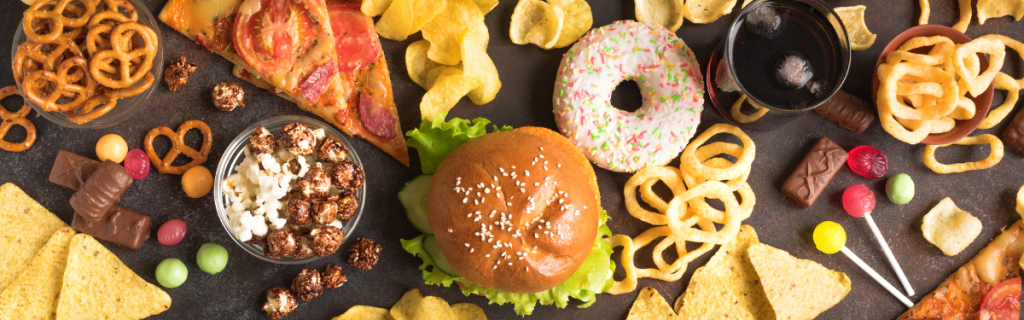
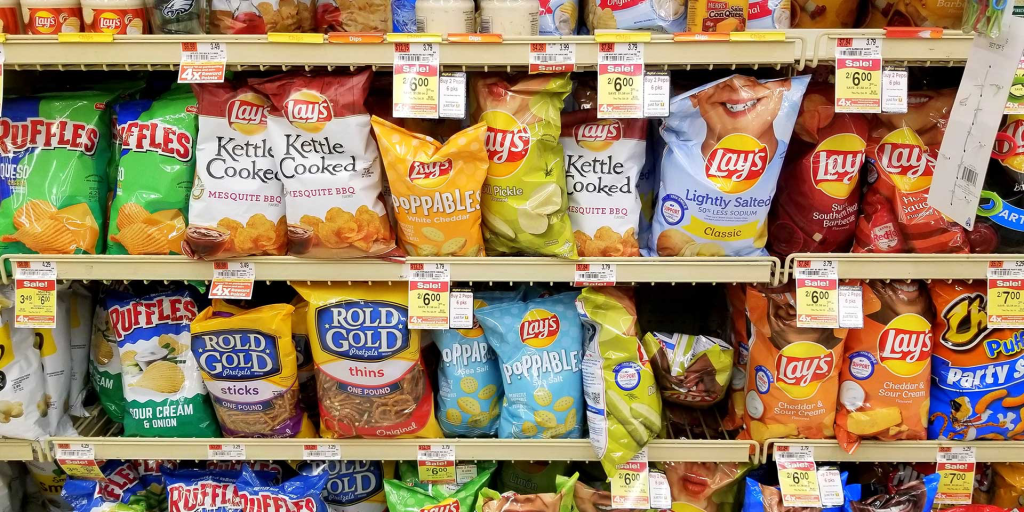
Ultra-processed foods have many added ingredients including sugar, salt, oils, fat, and starch. According to Yale Medicine, these additives are either extracted from food or composed of hydrogenated fats and modified starches. Synthetic ingredients are also high on the ingredients list in most ultra processed foods, relying on flavor enhancers, artificial colors, and preservatives. These additives not only increase their shelf-life, but make ultra-processed foods much more crave-worthy. The more obvious examples of ultra-processed foods include packaged desserts, breakfast cereals, soda, and chips. However, many foods that aren’t necessarily considered a “treat” are also ultra-processed, and equally as detrimental to our health. These include instant soups, hot-dogs, pasta, chicken nuggets, and packaged bread.
The literature is outstanding regarding the adverse effects of ultra-processed foods on human health. However, for this post, I am going to focus on the link between ultra-processed foods, the gut microbiome, and irritable bowel syndrome, otherwise known as IBS. According to the MayoClinic, IBS is a common chronic gastroenterological disorder that causes cramping, bloating, gas, and diarrhea or constipation. The disease affects the stomach and intestines, but its exact cause remains unknown. IBS has been linked to early life stress and other neurological issues including damage to the nerves in the digestive system. Even more commonly though, it has been triggered by severe viral or bacterial infection in the GI tract (gastroenteritis), or even a minor surplus of bacteria in the intestines. According to a Healthline article, studies have found the microbiota of those with IBS to be very different from that of healthy individuals. Although the causal link requires further investigation, it is clear that even if an altered gut microbiome doesn’t directly cause IBS, it definitely contributes to further inflammation and GI disturbances that further perpetrate the disease.
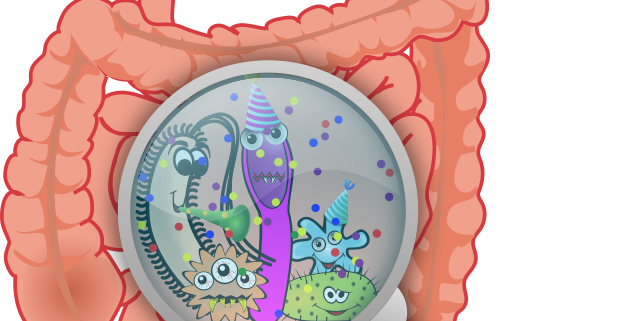
According to a research article posted in the Clinical Gastroenterology and Hepatology journal, the synthetic additives in ultra-processed foods may alter the composition and function of intestinal microbiota: “Hence, ultra-processed foods could alter the concentrations of bacterial metabolites (ie, short-chain fatty acids), thereby increasing mucosal inflammation, disturbing the mucus barrier and intestinal permeability, which, in turn, may promote IBS pathogenesis.” In plainer terms, the poor nutritional quality of ultra-processed foods with low amounts of fiber and high amounts of sugar and saturated fats also takes a toll on the GI tract, leading to diseases such as IBS. Lastly, food intolerances and allergies may play a role in this link between IBS, ultra-processed foods and the gut microbiome, according to Healthline.
And before I conclude this post, I want to acknowledge a few of the ultra-processed foods that I consume on the regular. I love a good frozen pizza, followed by a bowl of ice cream. Or, when I’m on the go, I love to pack a bag of chips or an energy bar to get me through the day. Ultra-processed foods are indulgent and convenient. This makes them a topic worth discussing, because they are definitely here to stay.
So, If you didn’t get anything else from this post, I hope you remember that ultra-processed foods contribute to a cocktail of hidden health problems beyond classic weight gain. Although I am not one to discourage a treat from time to time, it is important to understand the role of these foods and their fake ingredients on our long-term health and wellbeing!

 Blair Tilley Microbiology