Alcohol and the Gut Microbiome
Photo from Getty Images via Eating Well
Hi guys, welcome back to the blog! Last week we discussed the impacts of ultra-processed food on the human microbiome. This week, I am excited to discuss another equally relevant hot topic: alcohol consumption. By the end of this week, I hope to have painted a picture of the importance of what we put in our bodies, both in the short and long term.
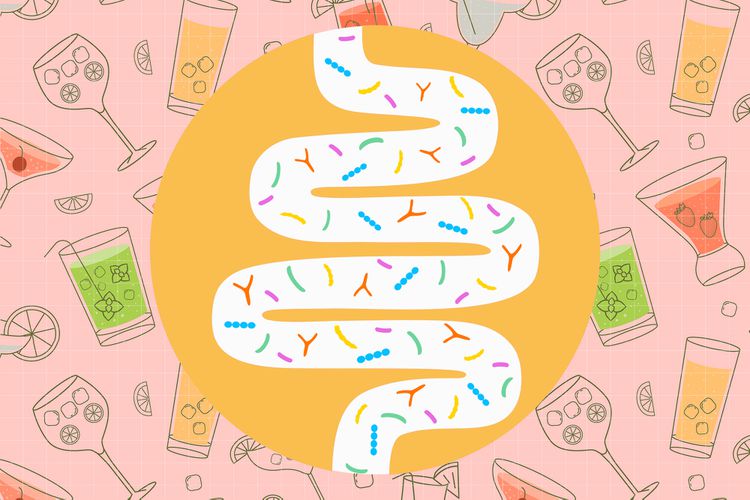
According to the Pew Research Center, 62% of US adults drink alcohol, and this consumption is on the rise. As we all know, binge drinking is especially common amongst college students, making this topic especially relevant for us. So, how does chronic alcohol consumption affect the composition of the gut microbiome? According to a scientific article published in Frontiers in Microbiology, there are several mechanisms through which alcohol causes gut dysbiosis: the neural pathway, the immune pathway, the neuroendocrine pathway, the metabolic pathway, and the inflammatory pathway. This begins when alcohol and its metabolites either inhibit or promote the growth of bacteria in the gut by causing inflammation and altering the acidity of the intestinal microenvironment. This typically doesn’t decrease the number of microbes in the gut, but instead alters their relative composition.
For example, according to the same Frontiers in Microbiology study, alcohol has been shown to increase the abundance of Proteobacteria, Enterobactericaea, Fusobacteria, which are gram-negative bacteria that increase LPS-induced inflammation. On the other hand, alcohol has also been shown to reduce the number of Firmicutes and Bacteroidetes which are major components of beneficial bacteria in the gut. Alcohol metabolism also promotes inflammation through the production of reactive oxygen species (ROS). Alcohol also directly damages the intestinal mucosa and leads to an overgrowth of bacteria that further contribute to this intestinal damage. According to a medically reviewed article posted by the MD Anderson Cancer Center, this contributes to “leaky gut syndrome,” as discussed in previous posts.
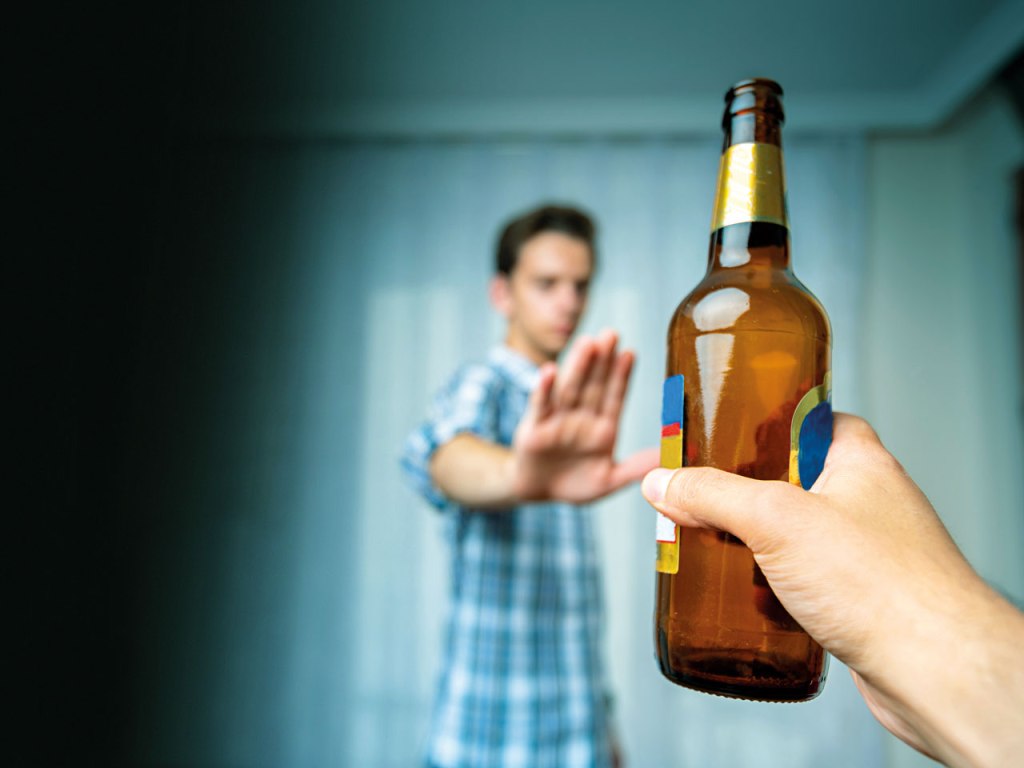
Not only do alcohol-induced changes in the microbiome cause inflammation and intestinal lining damage, but this dysbiosis has also been associated with addiction and associated behaviors and cravings. According to a research article posted in the International Journal of Molecular Sciences, studies have shown that alcohol addiction is associated with peripheral inflammation, such as leaky gut, caused by bacterial dysbiosis. This may be due to the immune response to chronic inflammation, which produces cytokines. When these continuously reach the brain, cytokines reduce the production of serotonin. This hormone-imbalance may eventually cause mood disorders including depression and addiction.
Also, according to an article posted on Nature, certain types of bacteria in the gut produce hormones and other molecules crucial to the brain’s functioning. For example, Bacillus makes dopamine, while Enterococcus produces serotonin. When the relative composition of these crucial microbes is altered by alcohol consumption, as discussed above, the production of these hormones is also altered. One study on rodents also linked the gut microbiome composition to the number of dopamine 2 receptors. This correlation found that changes in Lachnospiraceae and Syntrophococcus content may make individuals more susceptible to addiction. More generally, the microbiome composition has been associated with traits including impulsivity and susceptibility to stress and anxiety, which ultimately increases addiction-related behaviors.
I don’t know about you guys, but all this research definitely has me wondering if there is anything I can do to reduce these negative effects of alcohol. Although the best way to protect your gut microbiome is to reduce or cut out alcohol consumption, studies have actually found that probiotics may help mitigate such negative effects and even reduce addiction symptoms. According to the Cleveland Clinic, probiotics are live, beneficial microbes in food and health products that contribute to bacterial populations already in the body. These may help restore the gut microbiome balance, reducing inflammation and allowing the rebuilding of the gut mucosa. According to another research article posted on Frontiers in Pharmacology, probiotics have also been recognized to have antidepressant and anti-anxiety effects. This may reduce one’s susceptibility to alcohol addiction or reduce symptoms.
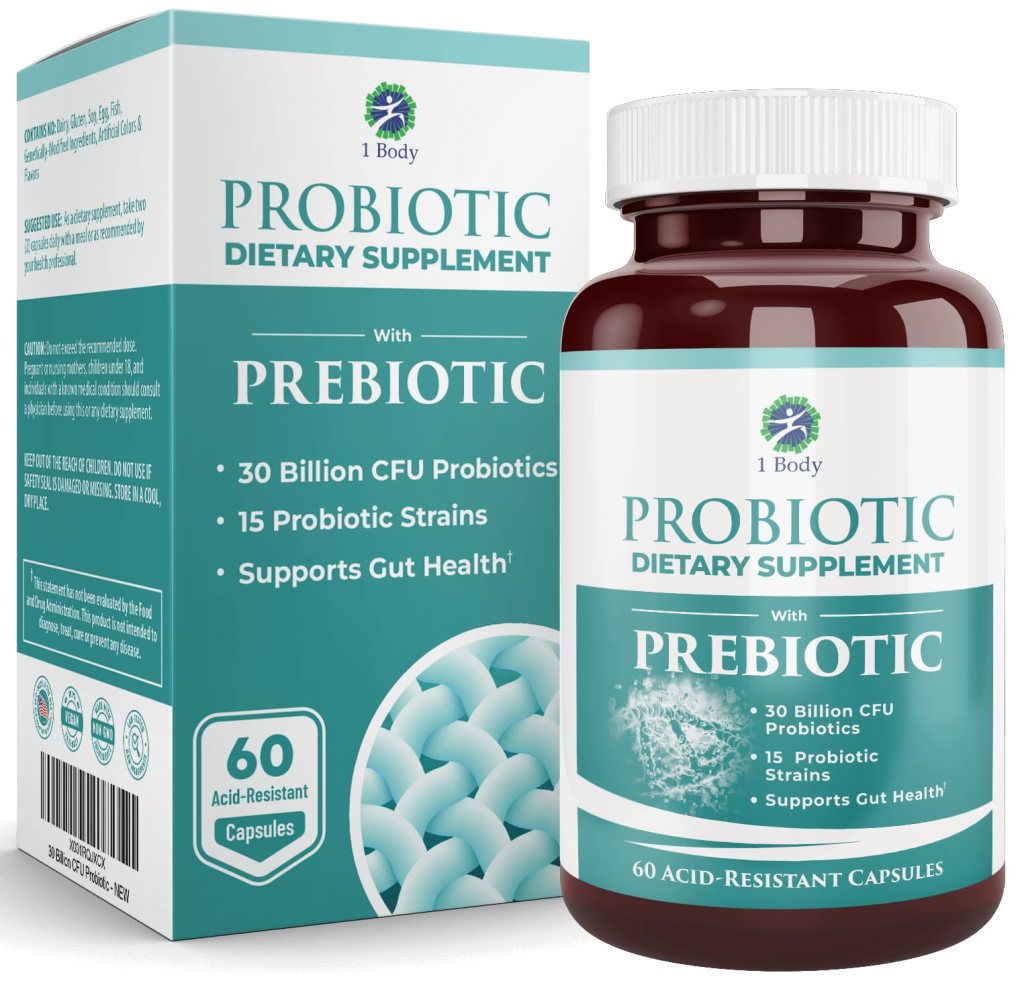
Additionally, according to the same article, some probiotics have been shown to reduce alcohol cravings and consumption through improved microbiota-gut-liver-brain axis communication. Probiotics may help restore gut symbiosis, increasing short chain fatty acid levels in the intestines. These metabolites are crucial to the functioning of the gut-brain axis, as discussed in the week one blog post. Probiotics may also reduce alcohol consumption and symptoms of addiction by altering the composition of bacteria involved in the reuptake of dopamine. Ultimately, studies have found that the long-term supplementation of live Lactobacillus and Bifidobacterium enhances cognitive functions and may be an effective treatment for alcohol use disorder.

 Blair Tilley Microbiology