Bacterial Infection, Dysbiosis, and Antibiotic-Resistance
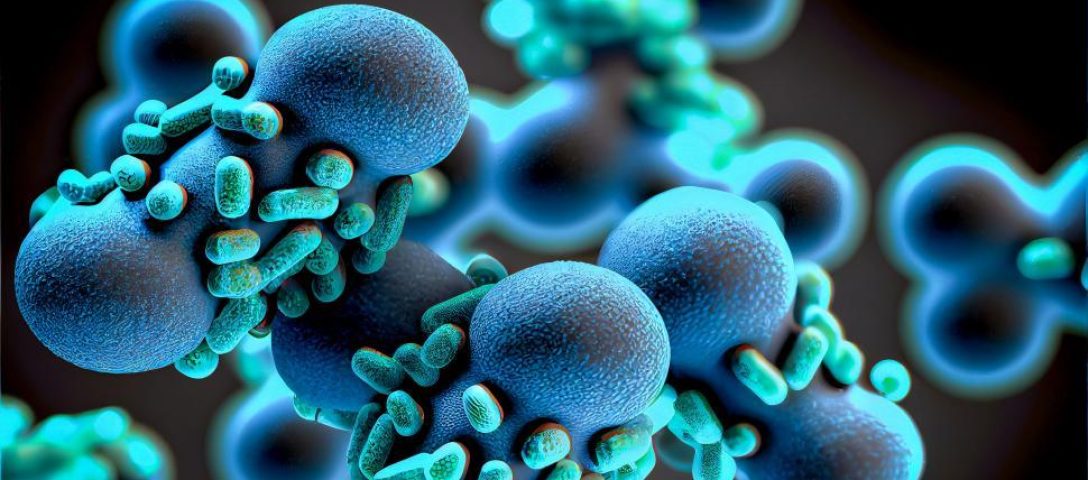
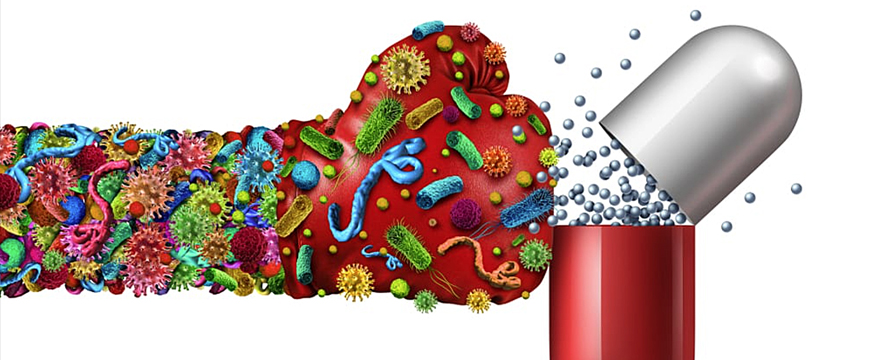
Image from Wiral Community Health and Care
So far, we’ve discussed how lifestyle factors such as alcohol, fitness, sleep, and nutrition may contribute to gut dysbiosis. This week, we’ll expand on this to discuss how foodborne infections may contribute to this imbalanced state of harmful and beneficial bacteria in the gut. Also, we will get into a few bacterial-related public health topics including super bugs and super spreaders.
Diarrheal Infection and Dysbiosis
In fact, one study notes that blooms of Enterobacteriaceae, such as E. Coli and Salmonella, are some of the primary contributors to dysbiosis and subsequent inflammation. The immune response to these infections causes inflammation that damages the intestinal lining and promotes the overgrowth of harmful bacteria. This creates an environment that isn’t conducive to the normal microbiota, furthering dysbiosis. Furthermore, the overgrowth of infectious pathogens creates competition with beneficial bacteria for nutrients, furthering the imbalance. Other environmental alterations in the gut caused by infection include disrupted pH and altered oxygen levels, often favoring the growth of such harmful bacteria. More specifically, the same study noted that both Salmonella and E. Coli infections lead to the generation of nitrate in the inflamed intestine, which further supports their growth by anaerobic respiration. Another study on such infections, noted that the regulation of the gut microbiome through adequate nutrition and probiotics may aid in the prevention and treatment of diarrheal infections from Salmonella, Campylobacter, and E. Coli. Therefore, dysbiosis is both a cause and an effect of these infections.
So, what are the potential short- and long-term effects of bacterial diarrheal infections on digestive health? First off, most infections lead to inflammation of the gut and severe dehydration. According to the CDC, following salmonella infection, many people’s bowel habits don’t return to normal for a few months. Some may even develop reactive arthritis following infection, which is also the case with campylobacter cases according to the CDC. The long-term effects of E. Coli infection may also extend beyond digestive symptoms, as research has found those to be at increased risk for high blood pressure, renal problems, and heart disease later in life. According to the Cleveland Clinic, gas, bloating, poor digestion, abdominal pain, diarrhea, and constipation commonly occur immediately after infection as well as in the long term as symptoms of gut dysbiosis. Since these infections cause temporary or chronic inflammation and damage to the gut lining, the development of inflammatory bowel disease (ulcerative colitis, microscopic colitis, or Crohn’s disease) as well as inflammatory bowel syndrome (IBS) are also related to diarrheal infection and gut dysbiosis.
Factory Farming and Antibiotic Resistance
In recent decades, the overuse of antibiotics has contributed to antibiotic resistance and the development of “superbugs.” This is a growing global health concern, as antibiotics are virtually ineffective to treat certain pathogens, making it increasingly difficult to control their spread and prevent disability and death by such diseases. According to a research article on diarrhea-causing bacteria and their antibiotic resistance patterns, there have been many cases of antibiotic resistant Salmonella and Enterobacter. However, multi-drug resistance of E. Coli is one of the largest growing public health concerns in both “developing” and “developed” nations. According to the WHO, the misuse and overuse of antimicrobials in humans, animals, and plants is the primary cause of drug-resistant pathogens. This problem exists at countries in all regions and income levels, not only causing death and disability, but also leading to up to $1 trillion additional healthcare costs by 2050.
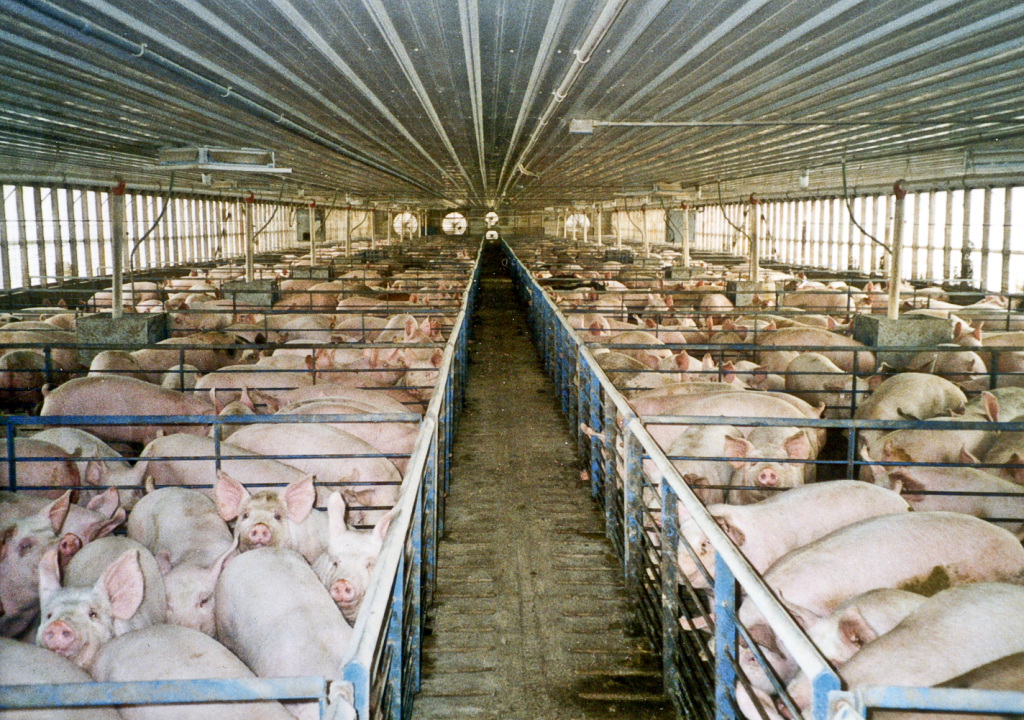
Factory Farming is a primary contributor to this growing global health concern. Antibiotics are commonly overused in low welfare factory farms to prevent the spread of disease among overcrowded animals. In fact, approximately three-quarters of all antibiotics sold each year are used in farm animals instead of humans. Bacteria on farms are consequently exposed to low doses of antibiotics, and those that survive reproduce rapidly. These bacteria then develop the ability to resist these drugs and others like them, passing resistance traits on to next generations. These antibiotics and related antibiotic-resistant bacteria then spread throughout the environment via manure through food, water, and soil contamination as well as through food supply chains when animals are slaughtered for meat. However, shifting farming practices towards better welfare methods and away from antibiotic use may help curb this rapid spread of antibiotic-resistant bacteria while promoting a more sustainable farm industry.

Typhoid Mary: A Case Study
Mary Mallon, commonly referred to as “Typhoid Mary” was an Irish cook who worked in New York during the early 1900s. She became infamous as the first identified “typhoid super-spreader” in the United States. Multiple typhoid fever outbreaks were traced back to households where she was employed, and it was estimated that she infected up to 50 people throughout her career. Mallon was found to be an asymptomatic carrier of the disease, which was a relatively uncommon concept during this time. This caused health authorities to take drastic measures.
According to an article in the Smithsonian, when Mallon attested positive for typhoid bacteria in March of 1907, the Department of Health forced her into quarantine on North Brother Island just off the Bronx. She was released 3 years later, promising that she wouldn’t cook professionally again. However, she caused another outbreak 5 years later and was forced into quarantine again, where she lived the rest of her life. It is now known that up to 6% of those who recover for Typhoid fever remain contagious long after the active infection. Therefore, Mellon was certainly not the only known carrier for Typhoid at the time, raising bioethical questions of why she was the only one imprisoned for life. Some point to the notion that she was a relatively uncooperative Irish woman without a family, which led to discrimination. This case not only raised awareness for the dangers of asymptomatic carriers, but also brought up moral and public health issues regarding the deprivation of individual freedoms for a perceived greater-good.

 Blair Tilley Microbiology