Autism Spectrum Disorder and the Gut Microbiome
Image from Aspire Frisco
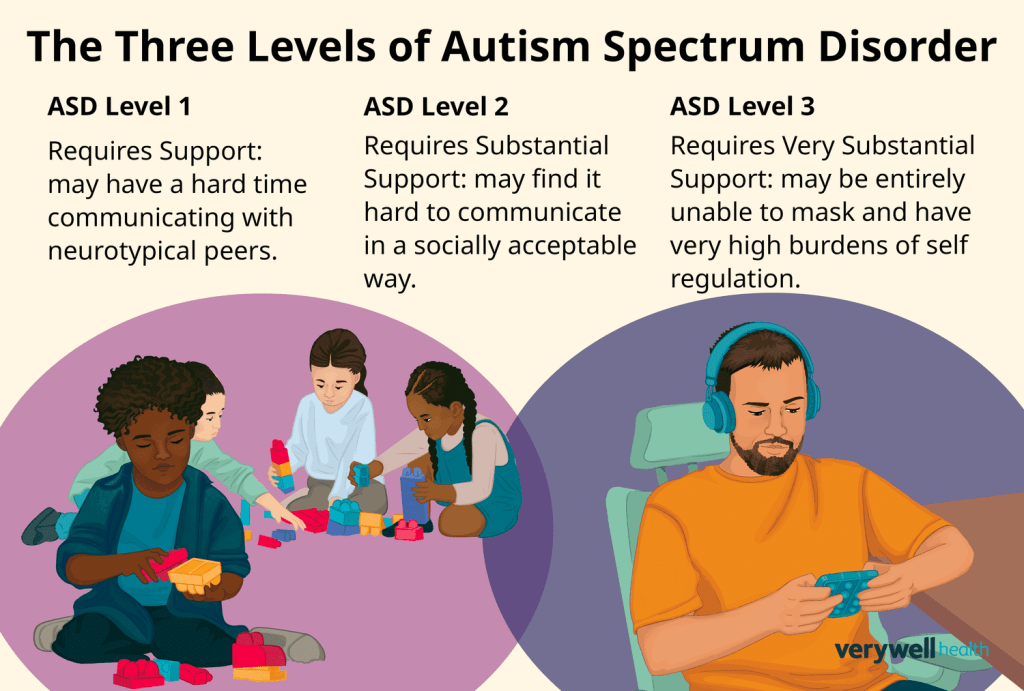
After our discussion last week on the false Wakefield claims, it feels only right to further investigate the actual underlying causes of Autism Spectrum Disorder (ASD) and its association with the gut microbiome. According to the CDC, ASD is a neurodevelopmental disability caused by varying differences in the brain, impacting the way individuals behave, communicate, interact, and learn. Symptoms typically begin before the age of 3 and are life-long. However, early intervention can significantly improve the development of a child with ASD. The presentation of ASD varies significantly from individual to individual as some have advanced conversation skills while others may be nonverbal. It is important to note that the DSM-5 now combines the separate conditions of autistic disorder, Asperger’s disorder, childhood disintegrative disorder, and pervasive developmental disorder not otherwise specified into one “spectrum” ASD diagnosis.
Per the CDC, scientists currently believe there are multiple causes and risk factors for ASD that come together to shape development. According to scientific research, certain genetic conditions such as fragile X syndrome, tuberous sclerosis, down syndrome, and Rett syndrome put children at greater risk of ASD. Parents who are older or experience complications at birth are also more likely to have a child with ASD. Other pregnancy factors that have been found to play a role in the development of ASD, per the CDC SEED study, include fever during the second trimester of pregnancy, maternal autoimmune conditions, obesity, and diabetes, as well as prenatal exposure to air pollution and pesticides. Although neuropathological studies are limited, several studies have revealed subtle brain malformations including increased extra-axial fluid causing cortical overgrowth as well as problems with neuronal differentiation.
In recent years, scientific studies have begun investigating how the gut microbiome impacts the disease. According to one metanalysis, gut dysbiosis has been highly associated with ASD, although there is no distinct microbiota composition of those with ASD. Increased microflora and low microbial diversity is common of the ASD gut microbiota, which may contribute to the severity of autism symptoms by modulating the gut-brain axis. Specifically, an overgrowth of the genus Clostridium has been associated with ASD in multiple studies. Overall, the microbial imbalance known as dysbiosis is thought to increase the risk for ASD by altering the immune system and metabolism. Leaky gut syndrome, caused by dysbiosis, allows neurotoxic peptides and inflammatory cytokines to exit the gut, causing inflammation. This disrupts the neural, endocrine and metabolic mechanisms involved in gut-CNS signaling, which is involved with neuropsychiatric disorders such as ASD.
The connection between dysbiosis and ASD has also manifested through a wide range of GI abnormalities such as diarrhea, constipation, vomiting, feeding problems, acid reflux, and abdominal pain. In fact, according to one recent study, approximately 40% of those with ASD report gastrointestinal symptoms. It has been hypothesized that such complaints may worsen neurobehavioral symptoms by increasing anxiety, irritability, and social withdrawal compared to those without GI disturbances. Antibiotic treatment has been highly associated with long-lasting gut dysbiosis. Studies have found that the usage of antibiotics during the first 3 years of life alters the gut microbiome to significantly increase the risk of immunological and neurological defects.
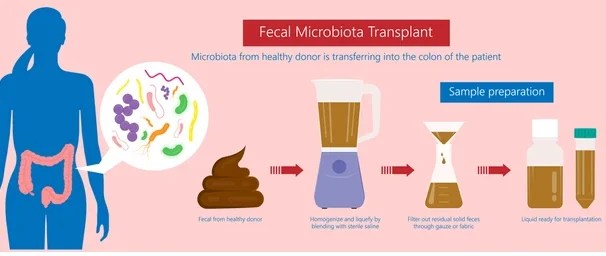
The same metanalysis discusses microbiota transfer therapy as a promising new treatment to gut dysbiosis and ASD. This includes fecal microbiota transplantation (FMT), which works to transfer healthy bacteria from the feces of a healthy donor to the colon of an individual experiencing dysbiosis, according to John’s Hopkins. This is typically performed through a colonoscopy and is a common treatment for those with persistent Clostridium difficile infection. FMT rebalances the gut microbiome, and has been shown to improve behavioral symptoms in children with ASD. However, evidence is still insufficient to fully deem FMT as a practical and safe approach for ASD treatment.
According to multiple studies, this normalization of the microbiota through FMT may decrease intestinal permeability to reduce inflammation and improve immune function. FMT was also shown to improve GI symptoms in children with ASD. Sleep disturbances, which are common amongst those with ASD, were also shown to be reduced by FMT, demonstrating this as an effective treatment for sleep disorders as well. Higher quality sleep and GI function subsequently reduces other symptoms of ASD such as anxiety, irritation, and other extreme behaviors. Overall, interventions targeting the gut microbiome health are extremely important in both reducing risk for ASD and improving symptoms. Along with FMT, this may include dietary interventions as well as increased use of probiotics and avoidance of antibiotics.

 Blair Tilley Microbiology