
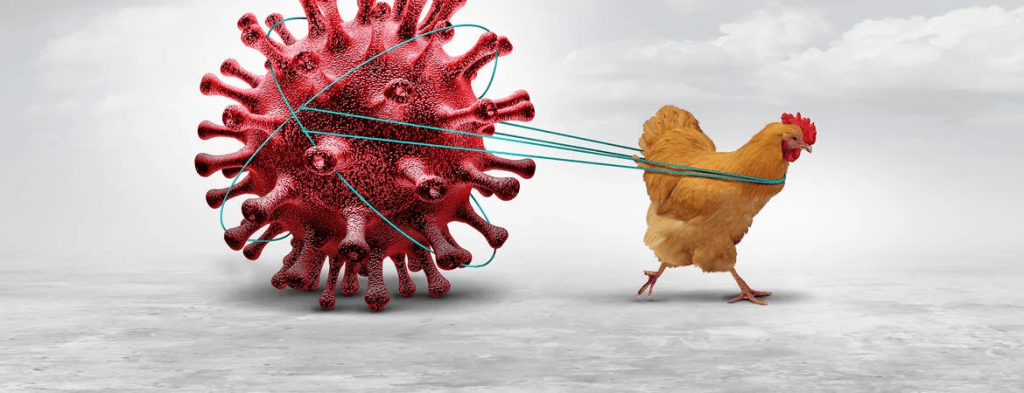
The Avian Flu: An Upcoming Epidemic?
Image from UC Riverside
So we’ve all heard of the pesky seasonal flu, and most of us have likely contracted it at some point in our lives. This week, I want to explore this virus and its potential for an upcoming pandemic. The flu is an acute respiratory infection caused by the influenza virus. Seasonal epidemics typically occur during the winter months, characterized by fever, a dry cough, headache, muscle and joint pain, a sore throat, and a runny nose. Most recover within a week, however this virus can be severe among high-risk groups, resulting in hospitalization and even death. Human flu strains are primarily spread from person to person when infected individuals cough, sneeze, and talk.
Avian influenza, more commonly known as the bird flu, is an Influenza A that normally spreads between birds and other animals. Avian strains have adapted to better replication at higher temperatures of approximately 40°C, which is the typical body temperature for birds. However, sometimes humans can become infected with this virus. Although it rarely spreads from person to person, those who work with poultry, waterfowl, and livestock are most at risk. It is contracted if humans come in contact with an infected animal’s saliva, respiratory droplets, or feces.
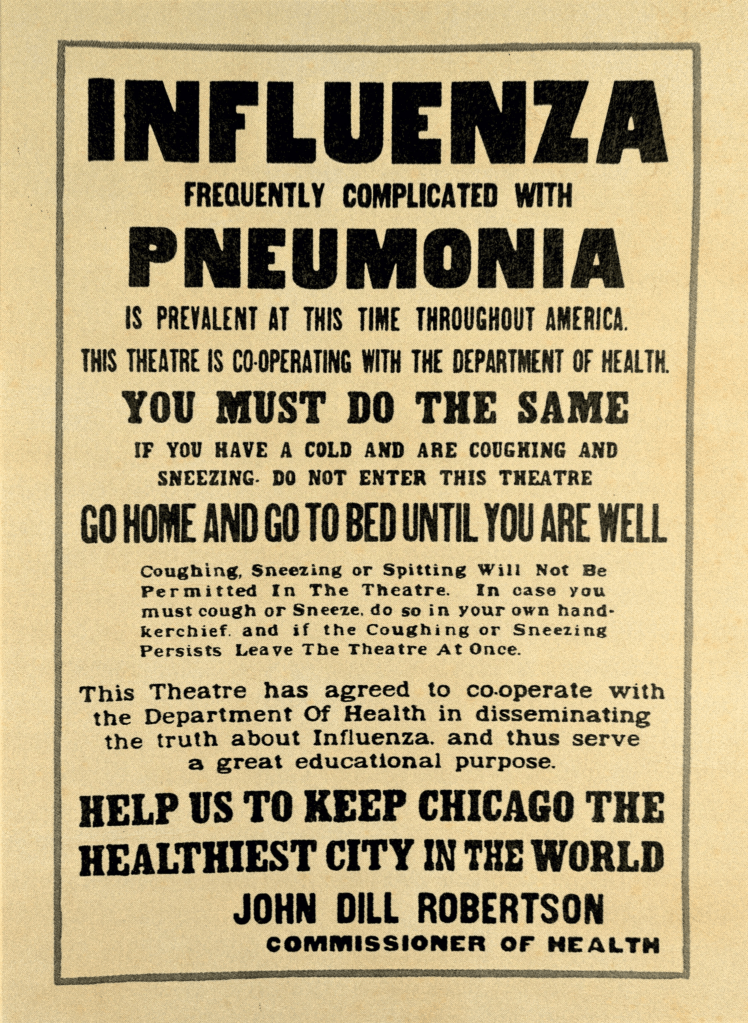
The 1918 flu, also known as the Spanish flu, was the deadliest flu pandemic in the world to date. This microscopic killer was caused by a form of influenza A virus, and is thought to have begun as an avian influenza. The H1N1 strain developed mutations that allowed human mutation such as changes in proteins that improved binding to respiratory receptors. Contrary to its nickname, the first cases are thought to have occurred in the US, likely in military camps. This pandemic occurred in 3 waves, circling the globe from 1918 to 1919, near the end of World War I. Approximately a third of the world was infected, killing 50 million people worldwide. In fact, the United States alone lost 675,000 people to the pandemic, which is more casualties than both World Wars, the Korean War, and the Vietnam War Combined.
But why was this pandemic so much deadlier than other flu outbreaks? War-time conditions are thought to have contributed to the high death tolls including crowded living conditions, censored government information, and limited healthcare options. Also, antivirals weren’t around yet. Interestingly, younger adults in their 20s and 30s had a higher death rate. This is said to be because they hadn’t been exposed to that version of the flu before. Other theories state that their immune system may have overreacted, producing a cytokine storm that damaged healthy tissues. Death tolls were also high among military camps, with many flu infections followed by a secondary bacterial infection.
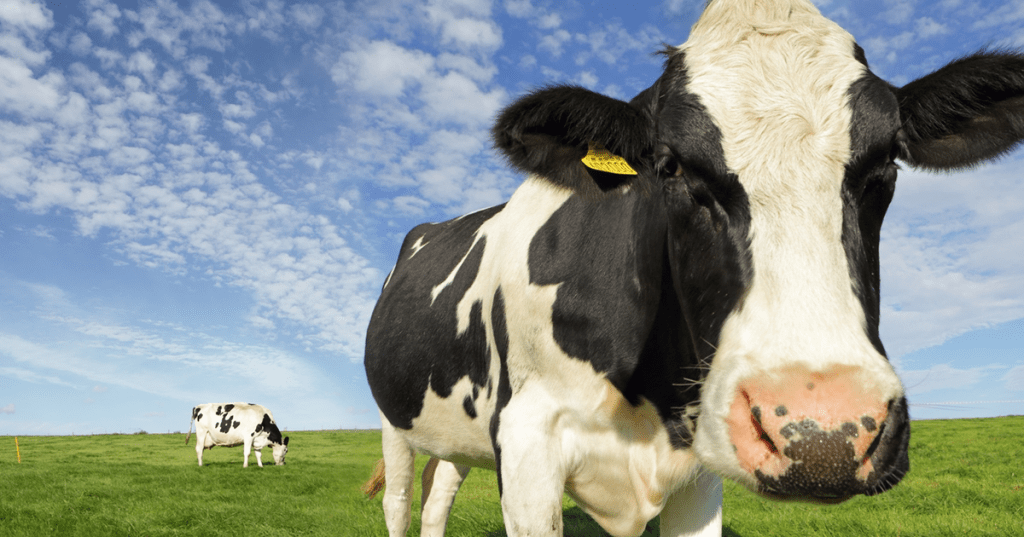
This post is especially relevant as the USDA, CDC, and FDA have recently expressed concerns regarding a current outbreak of the avian flu in US dairy cows, poultry, and now people in multiple states. The first confirmed case in dairy cows was March 25, 2024, and the first human infection was confirmed a week later. According to the USDA, there have been 169 new confirmed cases of the avian flu in cattle across three different states within the last 30 days. It has been confirmed that pasteurization is effective in inactivating the virus in raw milk. However, unpasteurized, raw milk is considered a high-risk food in terms of the avian flu as it may contain the live virus and serve as a transmission route to humans.
Unfortunately, the seasonal flu vaccine doesn’t protect against H5N1 bird flu. However, it is important to receive the vaccine to help prevent the risk of coinfection with the human flu and avian. Such dual infections, although rare, may allow genetic reassortment between the two strains, leading to new flu viruses that could pose a significant public health concern. Pigs may also be considered a vessel for genetic recombination as they can be infected with both avian and human strains. This is especially dangerous, similar to the 1918 pandemic, as such variants may be better adapted to infect mammals and humans. To try to stop the spread of this new avian flu, the USDA is offering the Dairy Herd Status Program with weekly herd testing to monitor the health status of dairy cattle. To encourage dairy producers to participate, the USDA is also offering financial assistance to enhance biosecurity and offset costs and losses associated with cattle flu tests, personal protective equipment and milk losses. Additionally, milk pasteurization standards have been emphasized. Lastly, surveillance systems have been implemented with genetic sequencing to track viral changes.

 Blair Tilley Microbiology