Fire in the Gut: How Bacterial Imbalance Ignites Inflammation and Disease
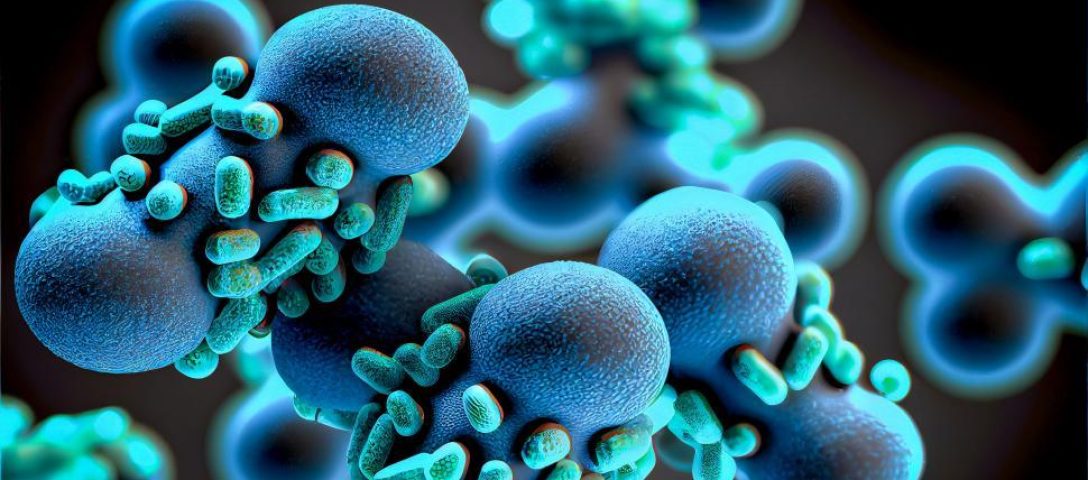
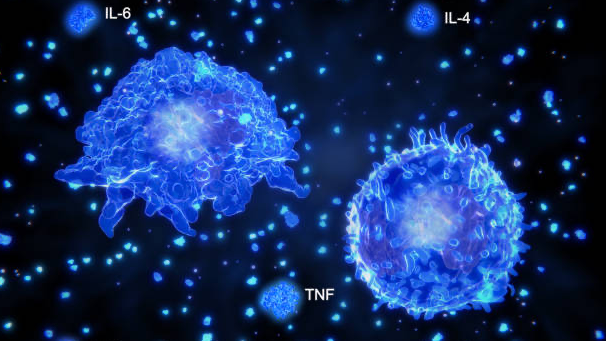
This week, as we continue our discussion about the microbiome, we will get into the nitty gritty of how dysbiosis causes inflammation and subsequent autoimmune diseases. So, as a refresher, what is dysbiosis? This is the imbalance and/or lack of diversity between the beneficial and potentially harmful microbes within the human gut. One recent scientific study identified that elevated levels of LPS, an important cell wall component of some bacteria, may overactivate TLRs in gut epithelial cells, leading to increased production of inflammatory cytokines. TLRs, or toll-like receptors are a type of pattern recognition receptor (PRR) that allow the body to recognize foreign microbes and tissue damage. This dysbiosis-induced release of inflammatory cytokines, such as TNF, IL-1, and IL-6, leads to a colonic inflammatory response.
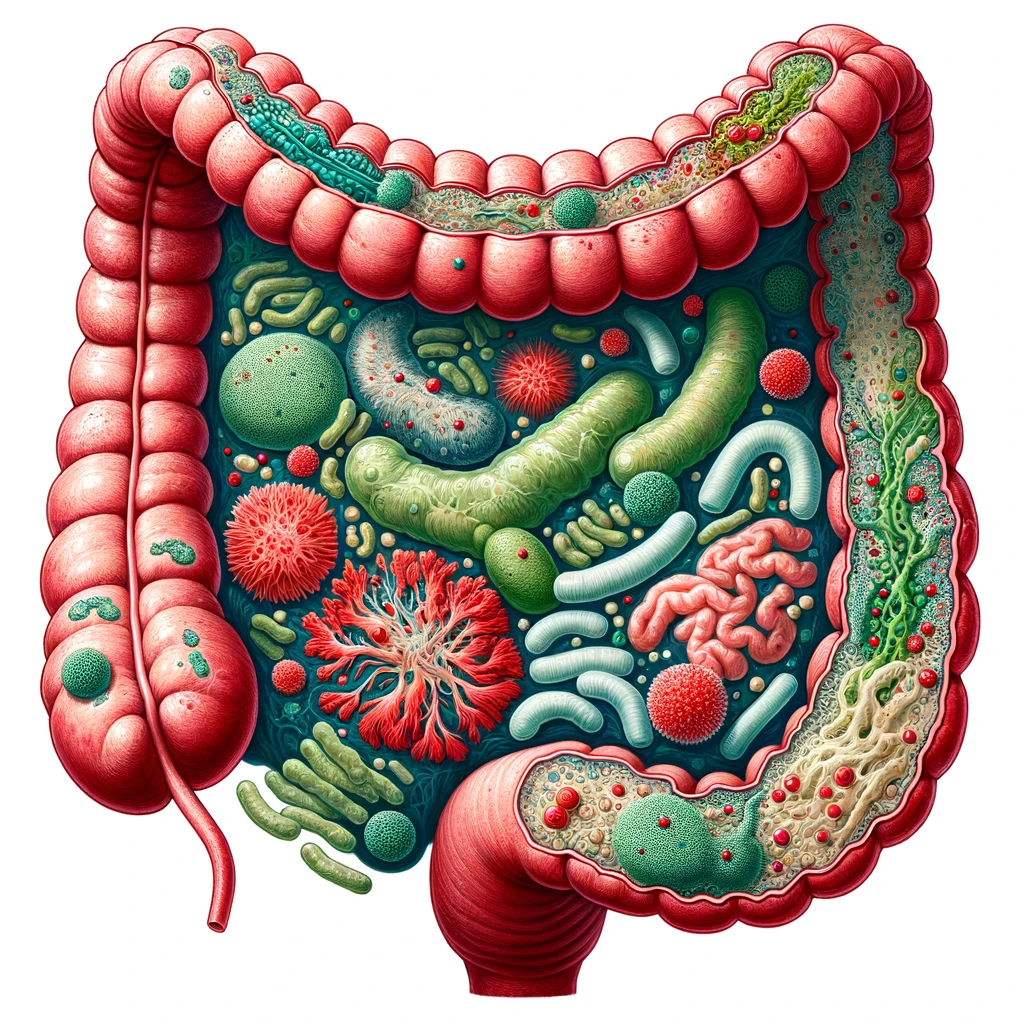
The same study found that pro-inflammatory cytokines disrupt intestinal tight junction proteins, disrupting the integrity of the intestinal lining. This causes leaky gut, which further increases inflammation by multiple pathways. Translocation through the gut barrier and into systemic circulation can allow bacteria to migrate towards the brain and other organs, triggering the production of proinflammatory cytokines in other parts of the body. Unlike the LPS themselves, cytokines can penetrate other barriers, such as the blood brain barrier, triggering further inflammation in the brain.
So, how do these pro-inflammatory cytokines impact the gut-brain axis? As a quick reminder, the GBA links the brain with gastrointestinal functions and the gut microbiome through neural and hormonal signals. Studies have found that pro-inflammatory cytokines also have an effect on the tight junction proteins of the blood-brain barrier. Subsequently, these also disrupt CNS localization pathways. In fact, the composition of the gut microbiota and related cytokine pathways have been found to affect different neurological disorders.
According to another study, breaches in the blood brain barrier can significantly alter the immune response to pathogens, leaving the central nervous system especially vulnerable to disease. More specifically, studies have found inflammation to have local effects on enteric neurons that stimulates CNS immune responses via the vagus nerve. Furthermore, proinflammatory cytokines and oxidative stress have been associated with neuron death. Therefore neuroinflammation, caused by proinflammatory cytokines that originate but in the gut and along the gut-brain axis have been linked to both neurodegenerative as well as intestinal diseases.
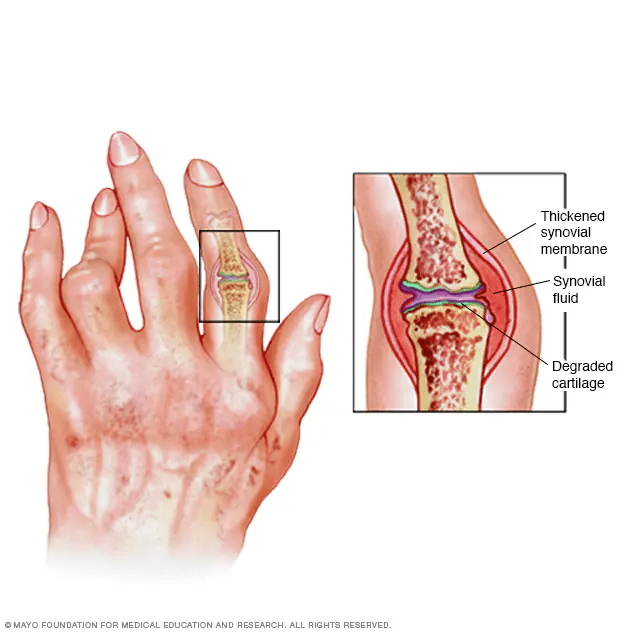
In addition to the disruption of the gut-brain axs, dysbiosis and pro-inflammatory cytokines have also been linked to a variety of autoimmune diseases such as rheumatoid arthritis. One of the most common autoimmune diseases, rheumatoid arthritis (RA) presents with progressive joint pain and inflammation. The cause is not completely understood, but is currently known as a complex interaction between genetic and environmental factors that suppresses the immune system. Before signs of inflammation, autoantibodies directed against their own cellular structures, like rheumatoid factor and anticitrullinated protein antibodies, are present in the blood, triggering autoimmunity across many parts of the body.
Among one study, an overabundance of the bacteria Prevotella. copri as well as the proliferation of the genus Collinsela and some Lactobacillus has been associated with the development of RA. These were associated with proinflammatory Th17 cytokine responses. Another study more generally noted that autoantibody production causes increased levels of proinflammatory cytokines in the joint synovium of RA patients. This occurs as growth factors and interleukins support Th17 differentiation and suppress the differentiation of regulatory cells, causing inflammation. Although this is a lot of immune system jargon and acronyms, it is important to note that changes in the microbiota are also linked to a host of other diseases through cytokine-induced inflammation, including multiple sclerosis and inflammatory bowel disease!

 Blair Tilley Microbiology