MHC Matching: The Key to Transplant Success
The major histocompatibility complex (MHC) is a group of genes that encode a variety of proteins important for immune function. These include cell surface markers and antigen-presenting molecules, which are responsible for recognizing “self” from “non-self” molecules to trigger immune responses against foreign pathogens. The MHC for humans is specifically termed the human leukocyte antigen complex, more commonly known as HLA. According to a genetics research article, the complex contains more than 200 genes, which code for different parts of these molecules through a variety of combinations of gene products. Therefore, there is a low chance of two individuals expressing identical HLA molecules. This is of great clinical significance as incompatible MHC molecules are a significant cause of transplant rejection.
Therefore, matching of donor and recipient antigens greatly increases the chance of graph acceptance in organ and tissue transplantation. However, there are few key differences in HLA matching requirements between bone marrow transplants and solid organ transplants. Bone marrow transplants, which are primarily used for blood diseases and immunodeficiencies, ideally occur between an HLA identical sibling recipient and donor. However, according to the National Marrow Donor Program, the minimal acceptable level of matching remains a 5 of 6 match for HLA-A, -B, and -DRB1 among HLA mismatched relatives and unrelated donors. On the other hand, the stringency of HLA matching requirements for solid organ transplants is much lower than for bone marrow transplants.
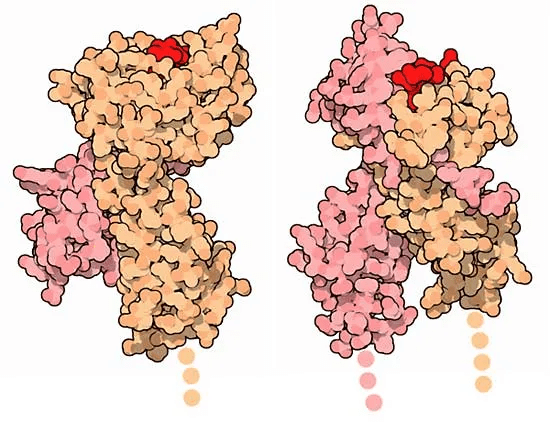
For bone marrow transplants, 10/10 matches indicate perfect compatibility across the key HLA loci between donors and recipients. According to recent research, These occur at HLA-A, -B, -C for Class I antigens and DRB1 and DQB1 for class II antigens. These matches typically occur from siblings or an unrelated donor from a matching registry. Such matches typically have a higher likelihood of success. When 10/10 matches are unavailable, haploidentical transplants are an alternative. These occur from a half-matched donor, which is typically between parents and their children or between siblings. This is because you receive half of your HLA from each biological parent. With mismatches at some of the key loci, haploidentical blood marrow transplants increase the likelihood of graft rejection
According to the Leukemia and Lymphoma Society, HLA mismatching greatly increases the risk of graft-versus-host disease (GVHD). his occurs when donor stem cells attack healthy stem cells. However, “the more HLA markers the donor and patient share, the greater the chance that the new immune system established by the donor cells will not attack the patient’s healthy cells.” Even if an unrelated donor is a perfect match, some patients may still be at risk for GVHD. There are many other risk-factors for acute GVHD, which typically develops within 100 days of transplantation. These include the older age of a donor or recipient and female donors for male recipients and vice versa. Therefore, a 10/10 match is preferred, paying close attention to these risk factors, in order to maximize the chance of bone marrow transplantation success.

 Blair Tilley Microbiology